Stretch film storage is often ignored until a warehouse starts seeing problems: film breaks during pallet wrapping, stretch wrap rolls unwind unevenly, the surface becomes dusty, cling feels inconsistent, or wrapped pallets do not stay stable during handling.
For buyers, these problems are not always caused by film quality alone. Storage conditions, roll handling, roll edge protection, warehouse dust, sunlight, moisture, and the time between delivery and use can all affect pallet wrap performance.
As a stretch film supplier for industrial pallet wrapping, JUHONG recommends treating stretch film rolls as performance packaging materials, not just plastic rolls stored in a corner. Before using them on a manual wrapping operation or an automatic wrapper, buyers should check how the rolls were stored, handled, protected, and prepared for use.
Direct Answer: How Should Stretch Film Rolls Be Stored?
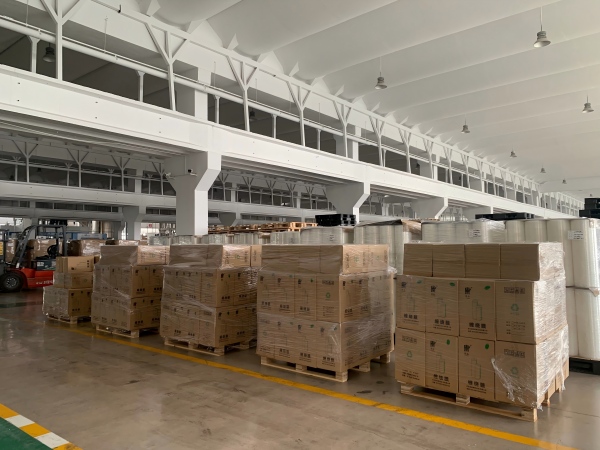
Stretch film rolls, stretch wrap rolls and pallet wrap rolls should be stored on pallets, racks or elevated platforms in a clean, dry, shaded indoor warehouse, away from direct sunlight, heat sources, frost risk, moisture, dust, chemicals, sharp objects, fire sources and heavy impact. The rolls should remain in their original packaging until use whenever possible, and roll edges, cartons and paper cores should be protected from dents, cuts, crushing, moisture or dirt.
For daily warehouse management, buyers should use a first-in, first-out system, keep rolls off concrete, wet or dirty floors, avoid stacking in a way that deforms the core or roll shape, and inspect the roll edge and core before loading it onto a dispenser or wrapping machine.
If the stretch film is used on automatic equipment, storage control becomes even more important. A damaged roll edge or deformed core may cause the film to break, wander, or unwind poorly during high-speed wrapping. If the film is used manually, poor storage may make the roll harder to unwind and reduce wrapping consistency.
As a practical warehouse target, store stretch film rolls at about 15°C-25°C (59°F-77°F) with relative humidity below 60%. If the warehouse cannot stay in that ideal range, at least avoid extreme heat, frost, direct sunlight, water exposure, and large daily temperature swings. Some suppliers may allow a wider storage range.
Some buyers also prefer to use stretch film within six months when warehouse temperature and humidity are not fully controlled. Exact storage-life, temperature, and humidity recommendations should still follow the latest product information from the supplier. Do not assume every stretch film grade, thickness, formulation, core type, packaging format or pre-stretched film has the same storage requirements.
Common Storage Benchmarks Buyers Should Confirm
Different suppliers may publish different storage ranges for pallet stretch film, pallet stretch wrap, machine film or hand film, so buyers should always follow the film label, carton information or supplier instruction for the actual product. If your warehouse does not yet have a storage rule, use the points below as a practical checklist to discuss with your supplier.
| Storage Factor | Practical Buyer Check | Why It Matters for Pallet Wrapping |
| Roll position | Follow the carton, pallet label or supplier guidance. Some rolls are stored upright; some are better kept flat or in original cartons/pallets. | The goal is to prevent roll deformation, edge pressure, core damage and imbalance |
| Floor contact | Avoid direct contact with concrete, wet floors or dirty areas | Helps protect cartons, cores and roll surfaces from moisture and contamination |
| Temperature stability | Target 15°C-25°C (59°F-77°F) when possible. | Heat or cold may change how the film stretches, unwinds or clings |
| Humidity and water exposure | Keep relative humidity below 60% when possible. Avoid damp floors, water leakage and high-humidity corners. | Moisture can deform cartons and paper cores even when the film surface looks normal |
| Sunlight and UV exposure | Do not store rolls in direct sunlight or bright exposed areas for long periods | Light and heat exposure may affect film performance over time |
| Chemicals | Store away from oils, pesticides, fertilizers, solvents and other chemicals | Chemical exposure may affect film and adhesive/cling-related performance |
| Stock rotation | Use FIFO. When possible, plan to use stretch film within six months, especially if warehouse temperature and humidity are not tightly controlled. | Reduces aging, pressure and long-storage performance variation |
| Pre-use inspection | Check roll edge, core, label, carton and film surface before wrapping | Finds storage damage before it causes production downtime |
Why Storage Conditions Matter for Stretch Film

Stretch film, also called stretch wrap or pallet wrap in many markets, works through elongation, cling, recovery force, puncture resistance, and load retention. These properties help the film hold cartons, bags, drums, bottles, building materials, or industrial goods together on a pallet.
But these properties depend not only on the film formula and production quality. They can also be affected by how the rolls are stored before use.
For example, a roll that is dropped on the edge may look usable from a distance, but the damaged edge can become a starting point for film tears during wrapping. A roll stored without protection in a dusty warehouse may create poor contact between film layers. A roll left in direct sunlight or close to heat may behave differently during unwinding or stretching.
This is why storage should be part of the buyer's quality-control process, especially for distributors, importers, large warehouses, and factories that keep packaging stretch film, pallet wrapping film or industrial stretch wrap inventory for repeated use.
Common Storage Problems That Affect Stretch Film Rolls
| Storage / Handling Issue | What Buyers May See During Use | What to Check First |
| Rolls stored in direct sunlight or near heat sources | Film feels different during unwinding, cling or stretch behavior becomes inconsistent | Storage location, sunlight exposure, heat source distance, storage time |
| Rolls stored in dusty areas or with packaging removed too early | Dust on roll surface, poor film-to-film contact, dirty wrapped pallets | Whether the outer packaging was removed, warehouse dust level, roll surface condition |
| Roll edges damaged during unloading or warehouse movement | Film breaks from one side, repeated tearing, uneven unwinding | Edge dents, cuts, crushed sides, forklift or pallet impact marks |
| Rolls placed on damp or dirty floors | Moisture, dirt, carton damage, paper core deformation, contamination risk | Pallet condition, floor moisture, carton condition, core roundness, warehouse cleanliness |
| Rolls stored near chemicals, oils or solvents | Unusual odor, surface contamination, possible performance change | Chemical storage area, leakage risk, distance from production chemicals |
| Poor stacking or heavy pressure on rolls | Deformed roll shape, damaged core, difficult loading on machine | Roll roundness, core deformation, stack height, pallet stability |
| Long storage time without stock rotation | Performance difference between old and new stock | Production lot, delivery date, FIFO record, supplier storage guidance |
| Wrong film type used after storage | Breakage, low holding force, difficult operation | Confirm hand film, machine film, jumbo roll, thickness, width, roll weight and application method |
Warehouse Storage Checklist for Stretch Film Buyers
| Checkpoint | What to Do | Why It Matters |
| Keep rolls in a clean indoor area | Store stretch film away from dust, debris and dirty work zones | Helps reduce contamination on the film surface |
| Avoid direct sunlight | Do not store rolls near open doors, windows or outdoor loading areas for long periods | Heat and sunlight may affect film handling and consistency |
| Keep rolls dry | Store on pallets, racks or clean platforms instead of wet floors | Protects cartons, roll surfaces and packaging condition |
| Store according to package guidance | Do not force every roll to stand upright or lie flat. Follow the carton, pallet label or supplier instruction for the roll format. | Prevents deformation caused by the wrong storage position |
| Protect roll edges | Avoid dropping rolls or hitting roll sides during unloading and handling | Edge damage is a common trigger for film breakage |
| Keep original packaging until use | Open cartons or wrapping only when rolls are ready for use | Reduces dust, moisture and handling damage |
| Keep away from chemicals | Separate film storage from oils, pesticides, fertilizers, solvents or other chemicals | Reduces contamination and material-aging risk |
| Control stacking pressure | Avoid excessive stacking height or long-term heavy pressure on bottom rolls | Helps prevent flattened rolls, deformed cores and film layer sticking |
| Use FIFO inventory control | Use older stock first when storage conditions are normal | Reduces long-storage variation between batches |
| Separate product types | Store hand film, machine film, jumbo rolls and specialty films separately | Prevents the wrong film being used in the wrong application |
| Inspect before loading | Check roll edge, core condition, labels and film surface | Finds storage-related problems before production stops |
| Record lot and delivery information | Keep label photos and delivery records | Helps supplier support if a complaint needs investigation |
What Buyers Should Check Before Blaming Film Quality
When stretch film breaks, does not cling well, or wraps inconsistently, it is natural to suspect product quality first. But for a fair diagnosis, buyers should check both the film and the storage/application environment.
Before deciding that the film is defective, ask these questions:
Was the roll edge damaged during unloading, warehouse movement, or loading onto the machine?
Was the original packaging removed too early?
Was the roll stored near sunlight, heat, moisture, dust, or sharp objects?
Was the same film lot used successfully before under better storage conditions?
Was the film type matched correctly with the application, such as hand stretch film or hand stretch wrap for manual wrapping, and machine stretch film or machine stretch wrap film for automatic wrapping?
Were machine pre-stretch, tension, carriage, rollers, and wrapping settings changed?
Was the pallet load sharp-edged, unstable, too heavy, or irregular?
Was the cling side used correctly, especially when one-sided cling film is involved?
If the main issue is repeated tearing during wrapping, buyers can also review this related guide on stretch film breakage troubleshooting. If wrapped pallets are sticking to each other after storage or transport, the issue may be related to film cling direction, wrapping method, storage, or pallet contact; see the guide on why wrapped pallets stick together.
A Factory Experience: Humidity Can Deform Paper Cores

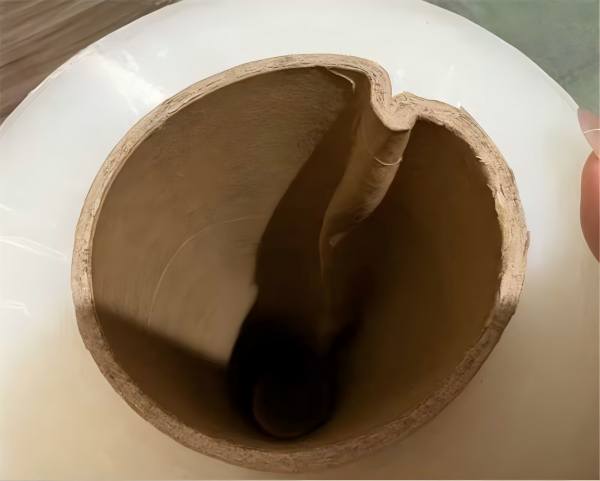
One storage issue JUHONG has seen in real after-sales support is paper core deformation caused by a humid storage environment. In that case, the customer stored stretch film in a damp area, the paper core absorbed moisture and became compressed or deformed, which affected later use.
JUHONG arranged replacement support for the customer and also reminded the buyer that stretch film storage is part of packaging performance control. Even when the film itself is produced correctly, poor warehouse conditions can damage the roll structure before the film reaches the wrapping station.
For buyers, this case gives three practical lessons:
Do not store stretch film directly on damp floors or in high-humidity corners.
Check not only the film surface, but also the carton, paper core and roll roundness.
If stock may sit for several months, use FIFO and plan consumption early. For best handling consistency, using stock within six months is safer when storage conditions are not fully controlled.
Machine Stretch Film: Storage Is Part of Line Stability

Machine stretch film, sometimes searched as machine stretch wrap film, is often used on semi-automatic or automatic pallet wrappers where stable unwinding and roll consistency matter. In these operations, small roll defects can become bigger production problems.
A damaged roll edge may cause the film web to tear from the side. A deformed core may affect loading and rotation. Dust, dirt, or packaging damage may make the film harder to handle. If the wrapper is running at higher speed or with higher pre-stretch, these issues can appear more quickly.
For machine wrapping lines, stretch wrap machines or pallet wrapping machines, buyers should check:
Roll edge condition before loading
Core shape and core damage
Film width and roll direction
Wrapper carriage and roller cleanliness
Pre-stretch setting and film tension
Whether the roll was stored in a clean, shaded and dry area
This does not mean every breakage problem is caused by storage. Film grade, thickness, machine setting, pallet shape, load corners, and operator handling also matter. But storage should be checked early because it is easy to verify and often overlooked.
Hand Stretch Film: Storage Affects Daily Operator Experience

For manual wrapping, storage problems may show up differently. Operators may feel the roll is difficult to unwind, the film tears at the edge, the surface is dirty, or wrapping tension is inconsistent from one pallet to another.
Hand stretch film, also called hand stretch wrap by many buyers, is often used in smaller warehouses, mixed SKU operations, repair packaging, and lower-volume pallet wrapping. Because operators handle the rolls directly, roll edge damage and dust are easier to notice but also easier to create if rolls are moved casually or left unprotected.
Buyers should keep hand film rolls in cartons or protected pallets until use, avoid dropping them on hard floors, and keep opened rolls away from forklift traffic, sharp tools, and dusty production areas.
Distributor and Importer Storage Advice
Distributors and importers usually keep more inventory than end users. This makes storage control especially important because the product may stay in the warehouse before being resold.
For resale inventory, the goal is not only to keep the film usable for your own warehouse. It is also to reduce downstream complaints from customers who receive dusty, dented, crushed, or poorly stored rolls.
Recommended controls include:
Keep incoming pallets in their original protective packaging until inspection is complete.
Take photos of pallet condition and roll labels when goods arrive.
Separate damaged cartons or rolls before sending them to customers.
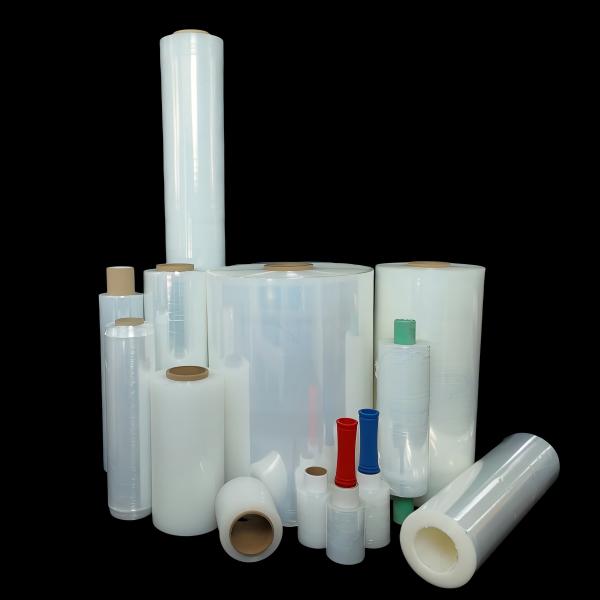
Store jumbo rolls, machine rolls and hand rolls in clearly separated areas.
Add simple storage guidance to your customer delivery documents when needed.
Use FIFO so older inventory is used or sold first.
Ask the supplier for confirmed storage guidance if the goods will be stored for a long period.
This is especially useful for packaging material distributors that sell packaging stretch film, industrial pallet wrap or pallet wrapping film to factories, logistics companies, building material suppliers, food and beverage palletizers, or general industrial users.
What Information Should Buyers Send to a Supplier?
If a stretch film problem appears after storage, the supplier needs more than one sentence such as "the film is bad" or "the film breaks." A clear report helps separate product quality issues from storage damage, handling damage, machine settings, or application mismatch.
| Information to Send | Why It Helps |
| Roll label and batch photos | Confirms product type, order and production batch |
| Photos of roll edge | Shows dents, cuts, crushing or side damage |
| Photos of carton or pallet condition | Helps identify transport or warehouse handling damage |
| Storage location photos | Shows sunlight, dust, moisture, stacking and protection conditions |
| Film type and specification | Confirms width, thickness, roll weight and hand/machine use |
| Wrapper model and settings | Helps check machine compatibility and pre-stretch/tension issues |
| Short video of the problem | Shows where the film breaks or how it unwinds |
| Time between delivery and use | Helps evaluate storage duration and stock rotation |
| Load type and pallet photo | Shows sharp corners, unstable loads or irregular pallet shape |
JUHONG can better support troubleshooting when buyers share roll condition, wrapping method, storage conditions and application details together. If you are preparing a new order or checking a recurring warehouse issue, you can request stretch film specifications and send your pallet wrapping details for review.
FAQ
Should stretch film rolls be stored vertically or flat?
There is no single answer for every roll format. Some supplier instructions recommend upright storage on pallets, while some roll formats are better kept flat or in their original cartons to avoid deformation. Buyers should follow the pallet label, carton instruction or supplier guidance. The real goal is to prevent edge damage, core deformation, heavy pressure and moisture exposure.
Should stretch film rolls be stored in direct sunlight?
No. Stretch film rolls should be stored away from direct sunlight and heat sources. A shaded indoor warehouse is safer for maintaining consistent handling and wrapping performance. Exact storage limits should follow the supplier's latest product guidance.
What temperature is suitable for storing stretch film rolls?
As a practical target, store stretch film rolls at about 15°C-25°C (59°F-77°F). Avoid extreme heat, frost risk and large temperature swings.
Can humidity damage stretch film rolls?
Yes. High humidity may not only affect cartons and outer packaging, but can also cause paper cores to absorb moisture and deform. As a practical target, keep relative humidity below 60% when possible. Once the core is compressed or out of round, the roll may be harder to load, unwind or use smoothly. Store rolls in a dry, ventilated area and keep them off damp floors.
Can damaged roll edges cause stretch film breakage?
Yes. Roll edge damage is one of the first things buyers should check when film breaks repeatedly from one side. Dents, cuts, crushed sides or rough handling can create weak starting points during unwinding and stretching.
Does dust affect stretch film cling?
Dust and dirt can affect film contact, appearance and handling. Buyers should keep stretch film rolls in their original packaging until use and avoid storing opened rolls in dusty warehouse or production areas.
How long can stretch film be stored before use?
Storage life depends on film formulation, packaging, warehouse conditions and supplier guidance. Buyers should use FIFO inventory control and confirm exact storage recommendations with the supplier instead of assuming one fixed shelf life for all stretch film types. If warehouse conditions are not tightly controlled, planning to use stock within six months is a safer practical target.
Should stretch film be stored near chemicals?
No. Keep stretch film away from oils, solvents, pesticides, fertilizers and other chemicals. Chemical exposure can create contamination risk and may affect film or cling-related performance over time.
Is machine stretch film more sensitive to storage damage?
Machine stretch film can be more sensitive to roll edge damage, core deformation and unwinding problems because it is often used at higher speed and with controlled pre-stretch settings. For automatic wrapping lines, check roll edge, core condition and machine settings before production.
Should hand stretch film and machine stretch film be stored separately?
Yes. Hand stretch film, machine stretch film, jumbo rolls, mini rolls and specialty film should be clearly separated in the warehouse. This helps prevent the wrong roll from being used in the wrong application.
What should distributors check when receiving stretch film?
Distributors should check pallet condition, carton damage, roll labels, roll edge condition, core deformation, moisture exposure and storage area readiness. Arrival photos and lot records are helpful if a later complaint needs supplier support.
Conclusion
Stretch film storage is a small warehouse habit with a direct effect on pallet wrapping performance. For buyers, the goal is not only to buy the right film thickness or roll size, but also to protect the film before it reaches the wrapping station.
If your warehouse is seeing film breakage, poor cling, uneven unwinding or unstable pallet wrapping, review storage conditions first: roll position, sunlight, heat, frost risk, moisture, dust, chemicals, roll edge damage, stacking, FIFO and machine compatibility. Then share the roll details, storage photos and wrapping video with your supplier for a more accurate diagnosis.
JUHONG supplies stretch film, pallet stretch film and industrial stretch wrap for pallet wrapping, warehouse packaging and export logistics applications. For new orders or troubleshooting support, contact JUHONG with your film specification, pallet load type and wrapping method so the team can help review the suitable product direction.
![]() juhong packing materials stretch film Brochure.pdf
juhong packing materials stretch film Brochure.pdf
 简体中文
简体中文