Why Steel Strapping Choice Matters More Than You Think
Choosing the right steel strapping affects load stability, transport safety, packaging cost, and damage risk. A poor match between strap size, strength grade, finish, seals, and tools may lead to strap breakage, weak joints, corrosion problems, or unstable pallets during shipping. This guide explains how buyers can choose steel strapping by load type, width, thickness, tensile strength, surface finish, coil type, seals, tools, and transportation conditions.
Quick Answer: How Do You Choose the Right Steel Strapping?
To choose the right steel strapping, buyers should first check the load weight, load shape, edge condition, storage environment, transportation distance, and packaging method. Then compare strap width, thickness, tensile strength, elongation, surface finish, coil type, seal type, and tool compatibility. The best steel strapping choice is not always the widest or strongest strap; it is the specification that matches the complete packaging system.
For heavy, rigid, sharp-edged, or high-value industrial loads, steel strapping is often selected because it provides strong holding force and stable load securement. For lighter loads or applications where recovery and rust-free handling are more important, PET strapping may also be considered depending on the packaging conditions.
Meet Your Strapping Soulmate: Steel Strapping Basics
What Exactly Is Steel Strapping?
Steel strapping is a high-strength industrial packaging material used to secure heavy, rigid, sharp-edged, or high-value loads. It is commonly used for steel coils, pipes, metal bundles, lumber, bricks, glass, machinery, and export pallets. Compared with many plastic strapping materials, steel strapping is often selected when buyers need stronger holding force, higher resistance to sharp edges, and stable load securement for demanding transportation conditions.
Why Steel Reigns Supreme in Heavy-Duty Packaging
Ever tried tying down an I-beam with duct tape? Yeah, don’t. Steel strapping delivers unbeatable:
Tensile Strength: Handles insane tension (up to 1,500 kg/mm²!).
Rigidity: Zero stretch means zero load shift.
Heat/Chemical Resistance: Survives foundries, chemical plants, and desert crossings.
Identifying Your Application: What is Steel Strapping Used For?
Before selecting a strap, define your load's "personality." Steel strapping is the ultimate choice for:
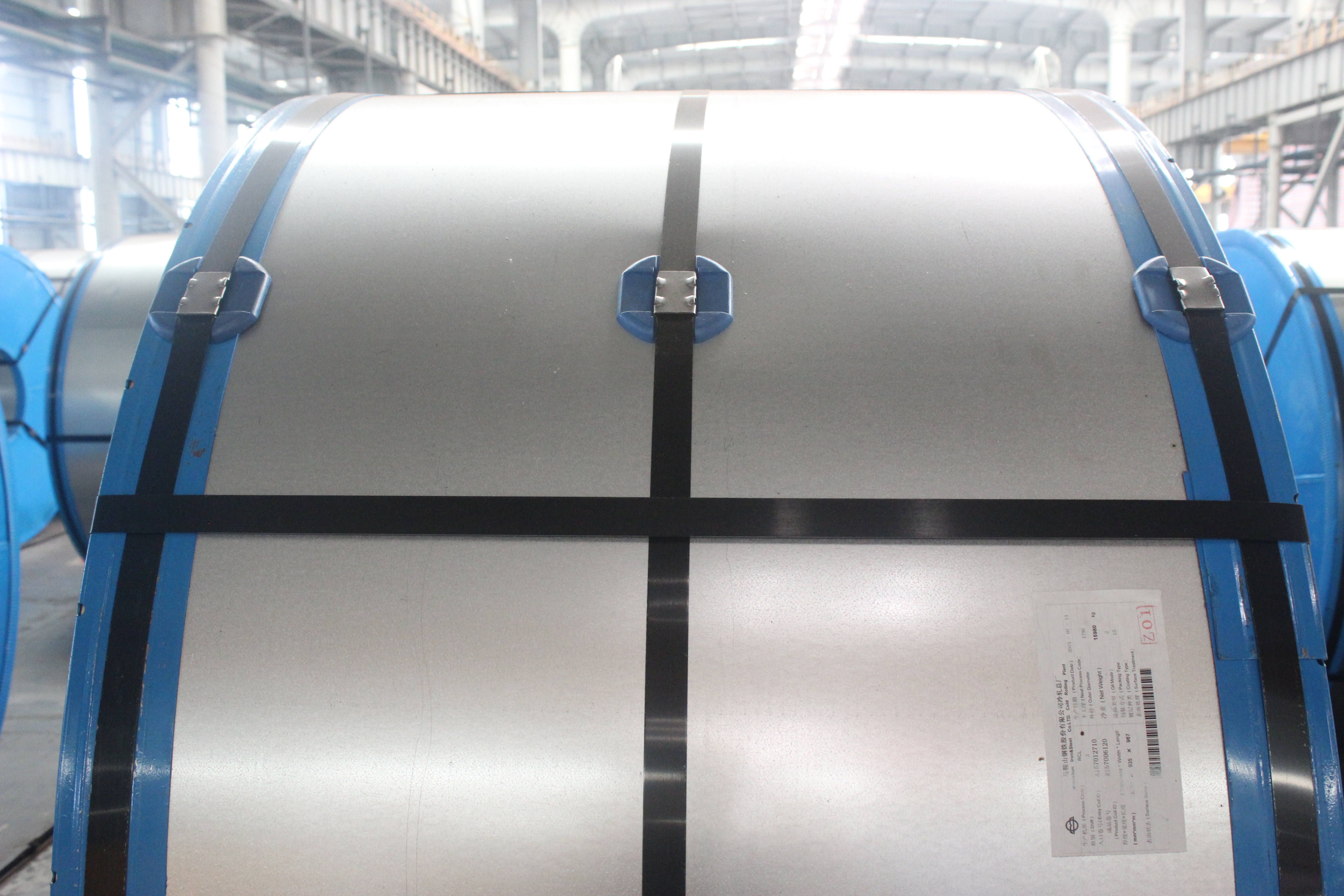
Heavy-Duty Bundling: Specifically for steel coils, aluminum ingots, and heavy machinery.
Extreme Environments: Unlike PET, steel strapping maintains tension in temperatures exceeding 500°C.
Zero-Creep Logistics: For rigid loads that cannot allow for any strap stretching during long-haul maritime transit.
Choosing the Grade: High Tensile (HT) vs. Regular Duty (RD)
Your provided data shows a high search volume for "high tensile." Understanding the difference is vital for safety:
High-Tensile (HT) Steel Strapping
Process: Cold-rolled, high-carbon steel, specially heat-treated.
Best For: Railroad shipments (AAR approved), heavy metal strapping for steel plates, and high-impact shock resistance.
Strength range: 900–1000+ MPa.
Regular Duty (RD) Steel Strapping
Process: Low-to-medium carbon steel with superior elongation.
Best For: Standard palletizing, brick bundling, and light-to-medium industrial packaging.
Strength range: 650–880 MPa.
Surface Finishes: Painted, Galvanized, or Blued?
Painted & Waxed (Black): The most common finish. The waxed steel strapping coating reduces friction, allowing the strap to tension uniformly around sharp corners.
Zinc-Coated (Galvanized): Provides the highest corrosion resistance. Essential for goods stored outdoors or facing salty sea-freight environments.
Blued & Waxed: A chemical treatment offering basic rust resistance for indoor storage.
Steel Strapping Selection Checklist for Buyers
| Selection Point | What Buyers Should Check | Why It Matters |
| Load type | Steel coils, pipes, timber, bricks, machinery, glass, pallets | Different loads need different strength and edge protection |
| Load weight | Weight per bundle, pallet, coil, or package | Helps decide width, thickness, and strength grade |
| Edge condition | Sharp, rigid, soft, fragile, or irregular edges | Sharp edges may require stronger strap, corner protection, or careful tensioning |
| Strap size | Width and thickness together | A wider strap is not always better if thickness, grade, or joint method is wrong |
| Strength grade | Regular duty, medium tensile, high tensile | Determines holding force, tension retention, and shock resistance |
| Surface finish | Blue and waxed, black painted and waxed, galvanized or zinc-coated | Affects corrosion resistance, feeding, and application environment |
| Coil type | Ribbon wound, oscillated wound, jumbo coil | Should match manual, semi-automatic, or automatic packaging workflow |
| Joint method | Seals, sealless joints, manual tools, pneumatic tools | Joint quality affects the final package security |
| Shipping condition | Warehouse, truck, sea freight, rail, outdoor storage | Transport and storage conditions affect corrosion and tension retention |
| Supplier support | Samples, technical data, size confirmation, tool compatibility | Reduces selection risk before bulk purchasing |
The 5 Make-or-Break Factors in Choosing Steel Strapping
Factor 1: Material Grade – The Backbone of Performance
Not all steel is created equal. This is where JUHONG Packaging Materials shines – they offer tailored solutions:
Low-Carbon vs. High-Carbon Steel: What’s the Difference?
Low-Carbon (e.g., ATSM D3950 ): More flexible, easier to tension. Perfect for lighter loads (<1 ton) like bricks or palletized boxes.
High-Carbon (e.g., ASTM D3950 ): The Hercules of strapping. Handles brutal tension for machinery, pipes, or timber.
Factor 2: Coating Type – Your Shield Against the Elements
Cold rolled VSGalvanized vs. Painted: Which Armor Fits Your Battle?
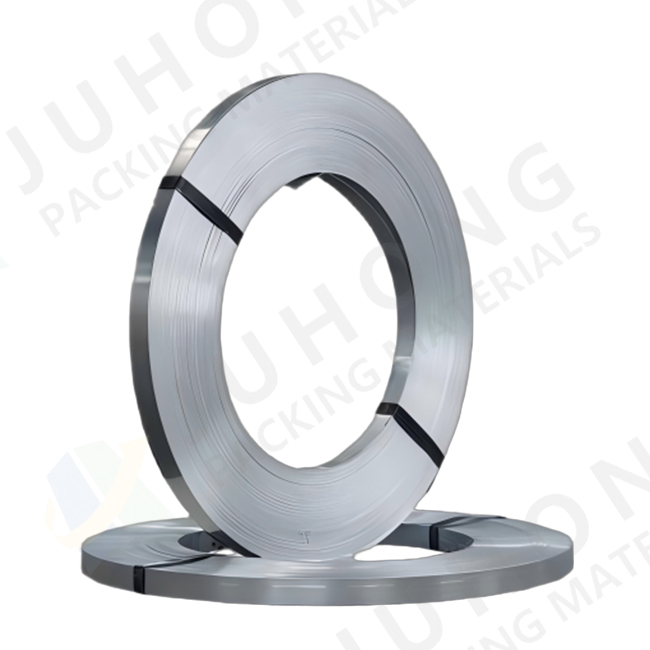
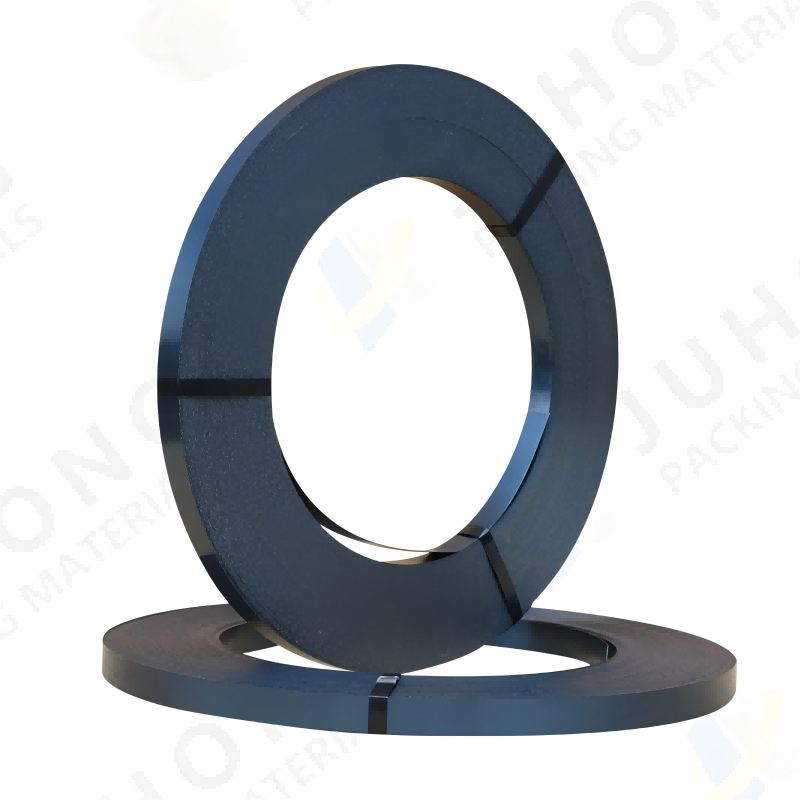
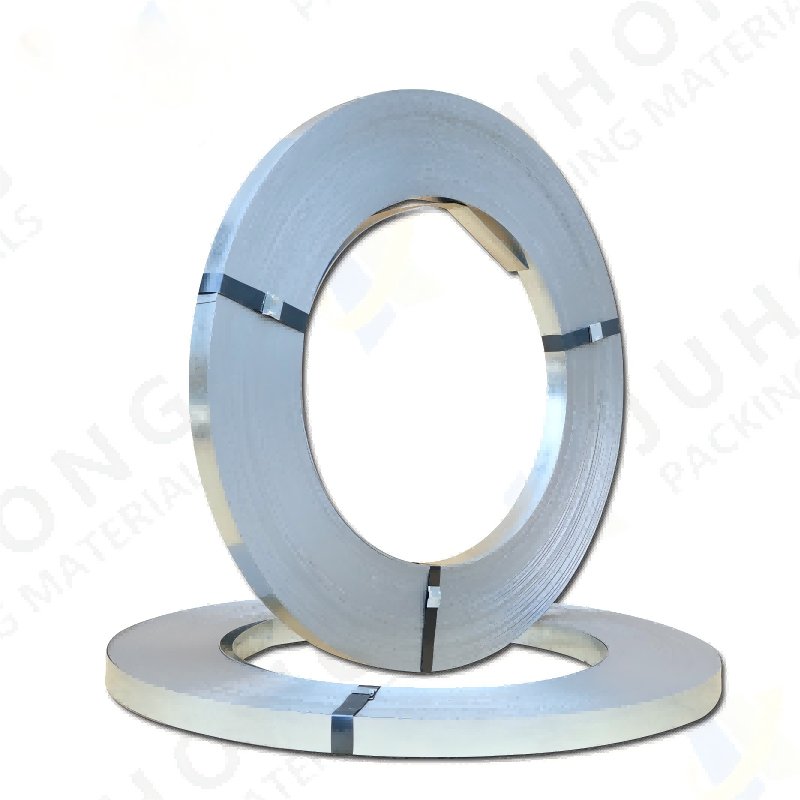
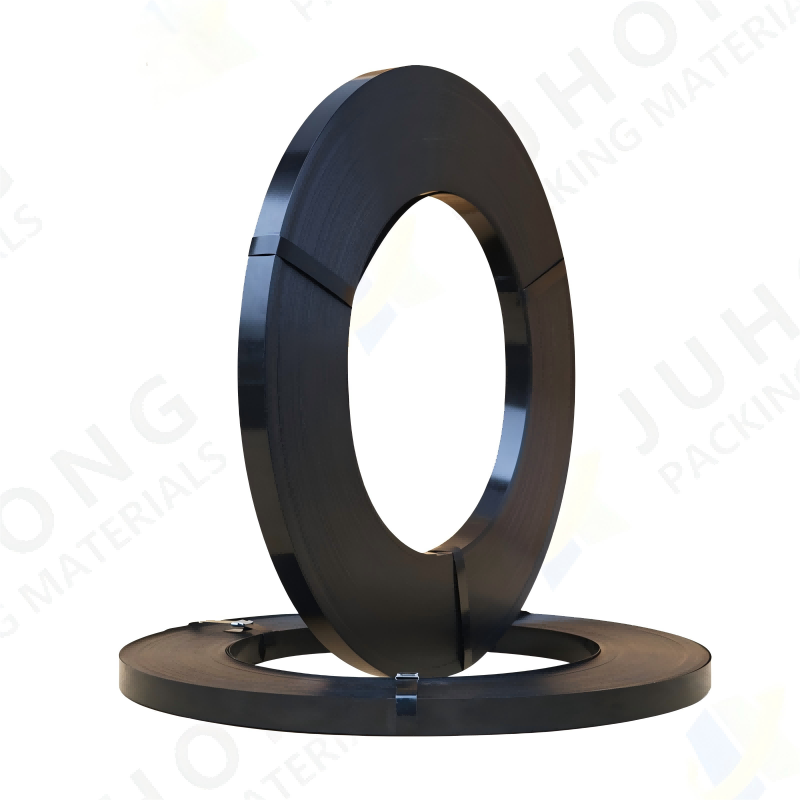
Common steel strips usually have bright steel strapping、blue steel strapping、painted & waxed steel strapping、and galvanized steel strapping.
Bright steel strapping is cold rolled,process without heat treated and metal surface.
![cold rolled steel strapping]()
Blue Tempered & Waxed steel strapping adopts a special non-leadheat treatment process,At the same time, the formation of bluing film on the surface of the steel strapping and then coated a layer of water wax to form the double protection.
![Blue steel strapping(1)]()
Bare steel rusts faster than a bike left in the rain. Coatings are non-negotiable:
Galvanized (Zinc-Coated) steel strapping: cold rolled and a layer of zinc Hot dip plating on the surface,JUHONG’s MVP for humid or marine environments. solves the common problem of the steel strapping in a short term play the role in anti-corrosion.Ideal for export shipping containers.
![ribbon wound coil Galvanized steel strapping]()
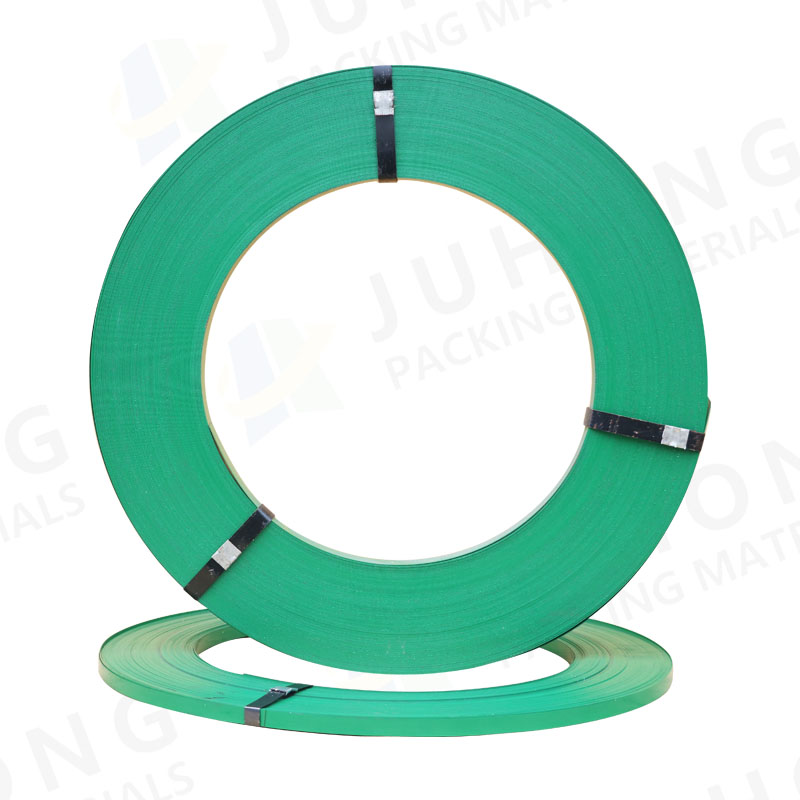
Painted (Green/Black)& Waxed steel trapping: a high-quality coating with a uniform wax seal, delivering dual defense for exceptional corrosion resistance. Widely applied in demanding environments for bundling, securing, and transporting goods, it ensures safety and reliability.
![Black steel strapping ribbon(1)]()
![green painted steel strapping]()
Factor 3: Width & Thickness – Size DOES Matter Here
Precision in sizing is the cornerstone of packaging reliability. As the lead national standard drafter, Juhong adheres to a strict width tolerance of ±0.1mm and a thickness tolerance of ±0.035mm.
This level of dimensional accuracy is critical for ensuring seamless compatibility with your equipment. It effectively prevents costly downtime caused by jams in high-speed automatic steel strapping tools and ensures that every strapping seal fits perfectly, maintaining the structural integrity of your load-bearing system.
| Size (Width x Thickness) | Grade | Breaking Strength (Lbs) | Tensile Strength (MPa) | Industrial Application |
| 1/2" x 0.020" | Regular Duty | ~1,282 lbs | ~880 MPa | Light palletizing & small crates |
| 5/8" x 0.023" | Regular Duty | ~1,837 lbs | ~880 MPa | Medium industrial packaging |
| 3/4" x 0.023" | Regular Duty | ~2,182 lbs | ~880 MPa | Timber, bricks, & standard metal bundles |
| 1-1/4" x 0.031" | High Tensile | ~5,650 lbs | ~1020 MPa | Hot-rolled steel coils & heavy pipe |
| 2" x 0.047" | High Tensile | ~8,400 lbs | ~1,020 MPa | Heavy machinery & 2-inch wide strapping needs |
To achieve the maximum breaking strength listed above, you must use high-compatibility heavy-duty strapping seals. A mismatched seal can reduce system integrity by up to 50%.
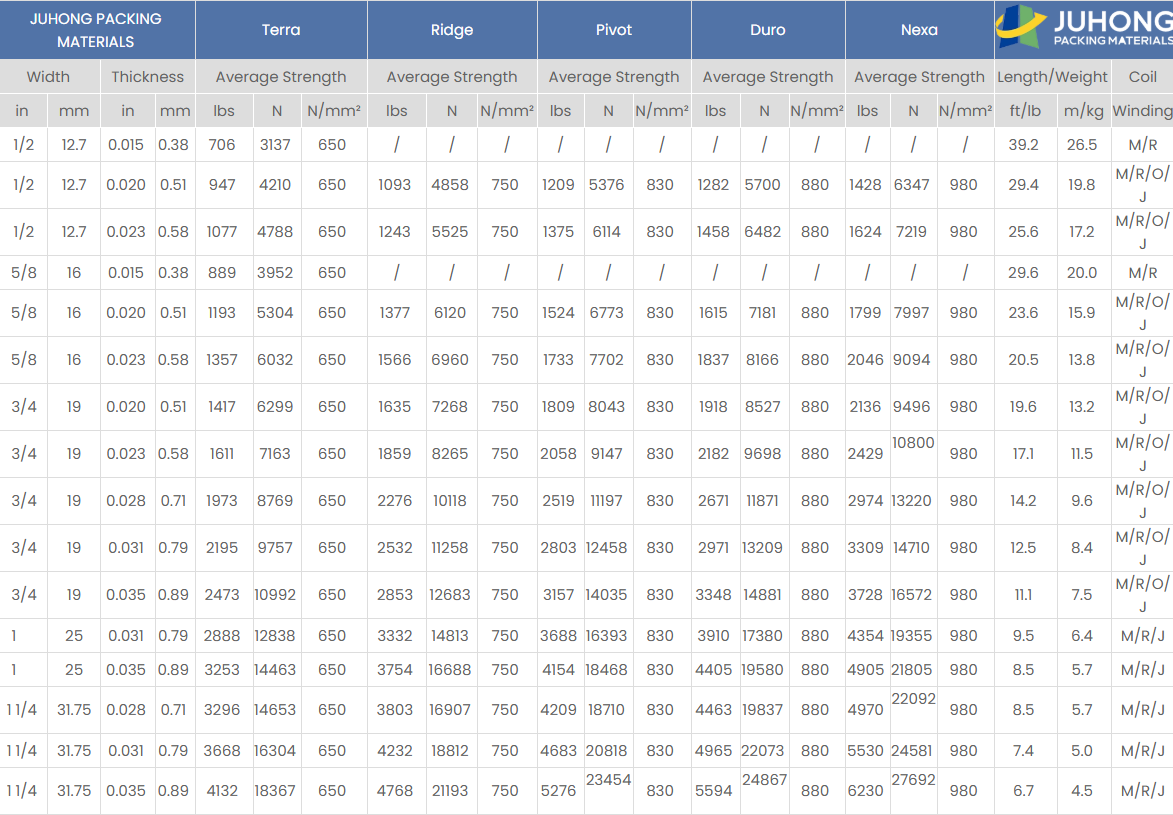
The most common sizes available on the market are 1/2”steel banding, 5/8” steel metal strapping, 3/4” steel strapping, 1”metal banding, and 1-1/4”steel metal banding.
Width (12mm-32mm): Wider = more surface area = less cutting into soft loads (timber, pipes).
Thickness (0.4mm-1mm): Thicker = higher break strength.
![Regular duty steel strip specification]()
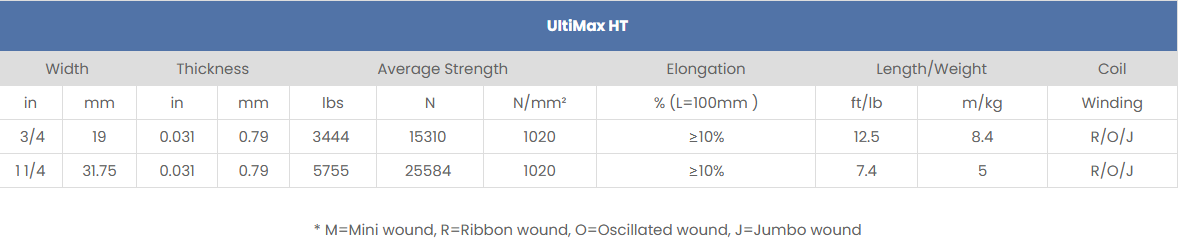
![High tensile steel strip specification]()
If you are not sure about how to choose the size, you can contact the experts of JUHONG. They will provide you with technical support.
Factor 4: Tensile Strength & Elongation – The Power Couple
According to the tensile strength grade of the steel belt, we can be divided into the regular standard and the high tensile steel strapping.
The tension grade varies depending on the country, and the standards set accordingly aslo differ. If you need high-strength steel strips, you must ask him whether they can meet the ASTM standards. Or you should clearly inform the manufacturer of the specific tension level you require.
Engineer's Recommendation:For heavy-duty applications requiring high shock resistance, we recommend our Juhong™ Blue Waxed & Jumbo Coils. They are heat-treated for uniform temper and edge-conditioned to prevent snapping.
Check Our Blue Waxed Steel Strapping Parameters
Key Factors When Choosing Steel Strapping
Match the Strap to the Load Weight and Edge Condition
The first step in choosing steel strapping is understanding what you are packing. Heavy products, rigid loads, and materials with sharp edges usually need a stronger strapping system than ordinary pallet cargo. Steel coils, aluminum ingots, glass, and building materials often require higher holding force and better joint reliability during storage and transportation. If you are still comparing general usage, sizing, and safety basics, you can start with our steel strapping guide.
Choose the Right Width and Thickness Together
Width and thickness should always be selected as a combination. Smaller widths such as 12.7 mm, 16 mm, and 19 mm are common in many packaging jobs, while 25 mm and 32 mm are more often used for heavier industrial applications. At the same width, a thicker strap usually provides greater holding capacity. The right size should be based on the product, load condition, and packaging method rather than price alone.
Select the Right Strength Level for the Application
Steel strapping is available in different strength levels for different packaging tasks. Regular strength is commonly used for lighter-duty industrial packaging, while higher strength options are more suitable for tighter bundling, higher load stress, and more demanding transport conditions. Choosing the correct strength level helps avoid both under-packing and unnecessary material cost. For heavier applications, our high tensile steel strapping range is often the better fit.
Consider the Surface Finish and Shipping Environment
Finish selection matters, especially when products will be stored in humid conditions or shipped over long distances. Blue and waxed steel strapping is widely used in industrial packaging because it feeds smoothly and performs well in many general applications. Zinc coated steel strapping is a better option when stronger anti-rust performance is required, especially for export packaging, outdoor storage, or humid environments.
Check Coil Type, Joint Method, and Tool Compatibility
The strap should match both the packaging workflow and the equipment being used. Ribbon coils and smaller oscillated coils are often easier to handle in manual or semi-manual work, while larger oscillated coils or jumbo coils are more suitable for automatic lines because they reduce coil change frequency and improve production efficiency. The tool, strap, and joint method should always be matched as one system. If you also need to compare joint styles and sizes, see our steel strapping seals page.
Steel strapping application industries
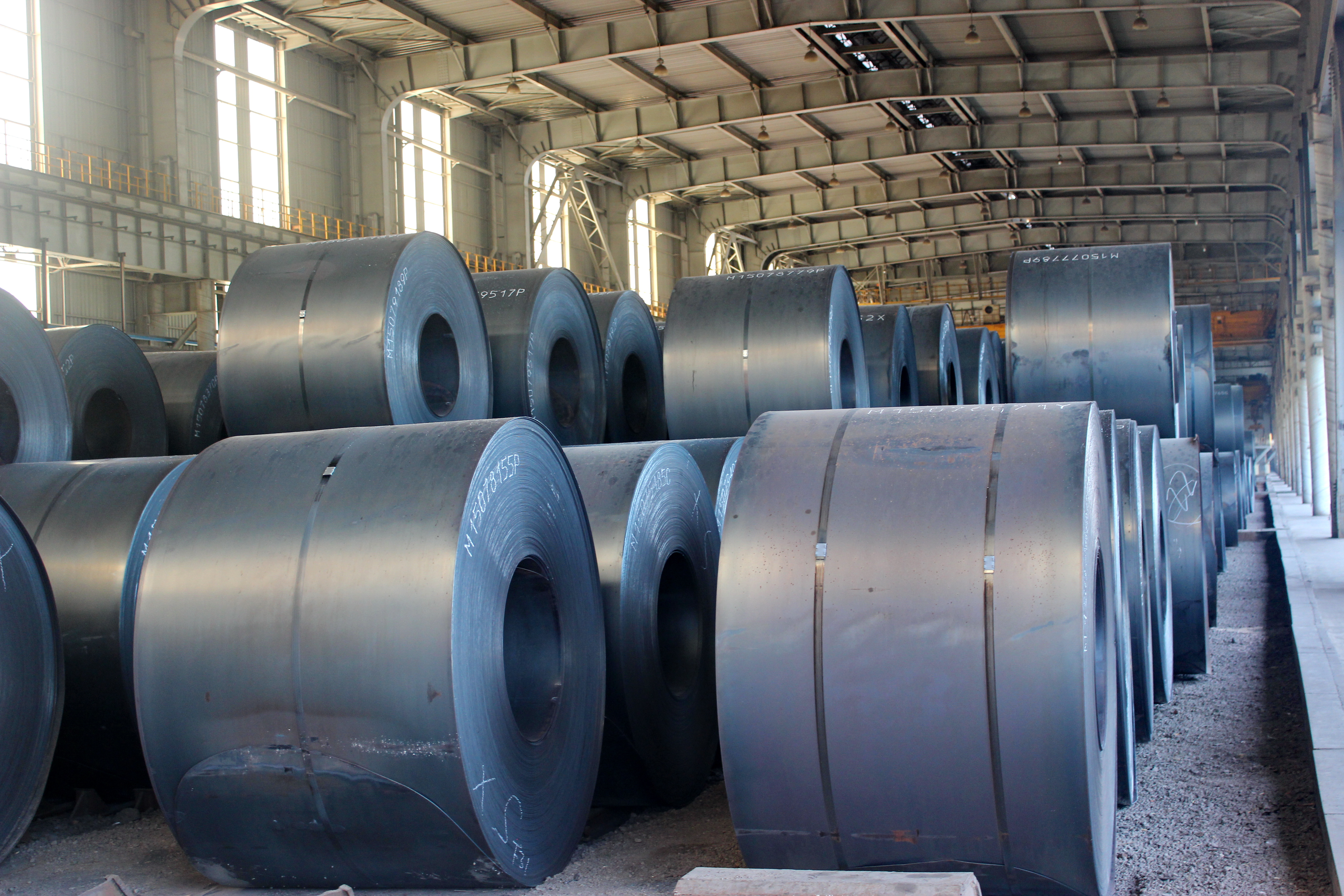
Steel Industry: Hot-rolled coil, cold-rolled and pickled sheets, galvanized sheets, color-coated sheets, tinplate, carbon graphite electrodes, stainless steel plates, delivered and sheared plates, seamless and petroleum steel pipes, galvanized steel pipes, steel wire ropes, steel cord, elevator guide rails, various bar and section steel products, etc.
![HOT ROLLED STEEL COIL PACKING]()
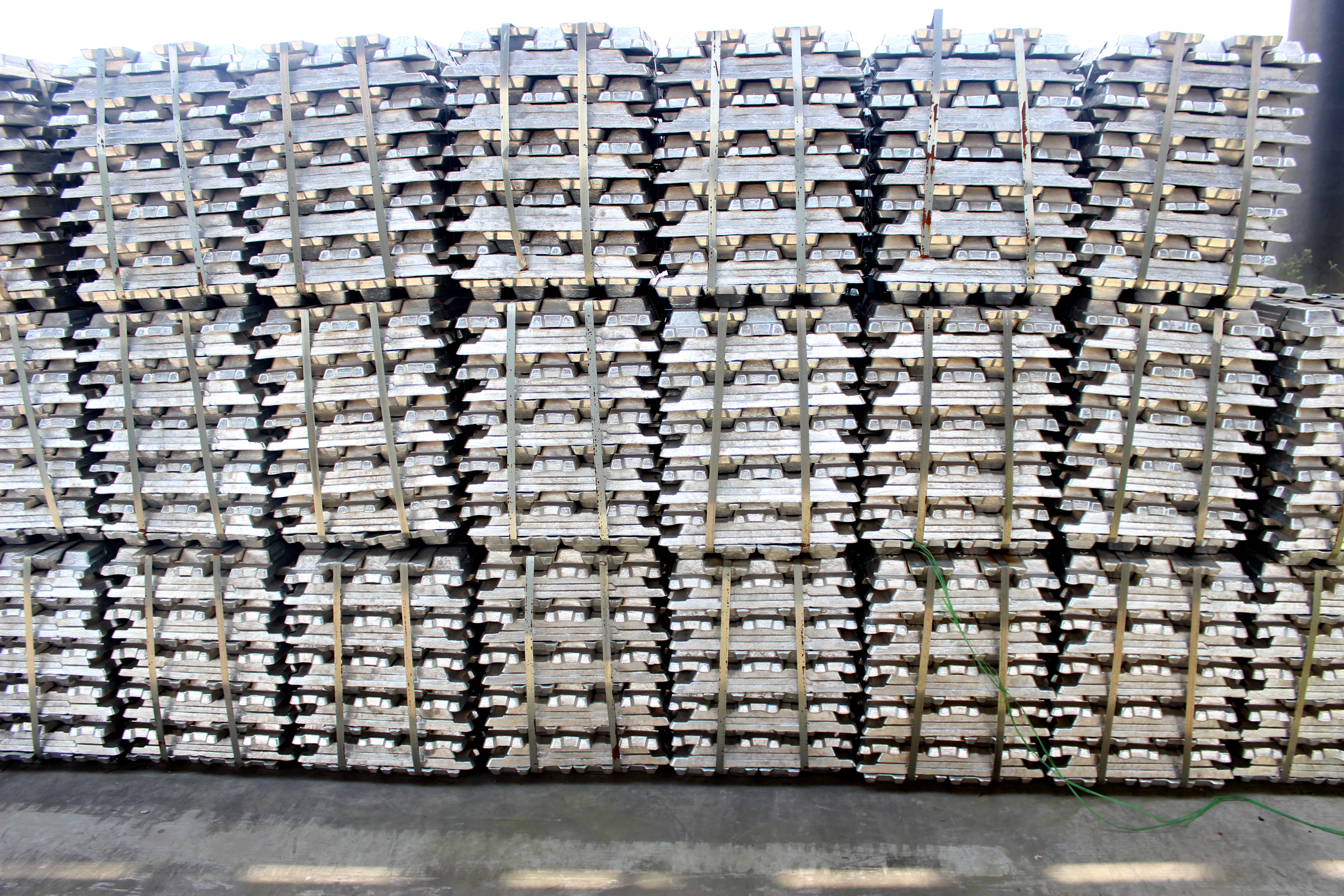
Non-ferrous metals industry: Electrolytic copper, copper rods, aluminum ingots, aluminum coils, zinc ingots, various alloy ingots.
![Ingot packing 2]()
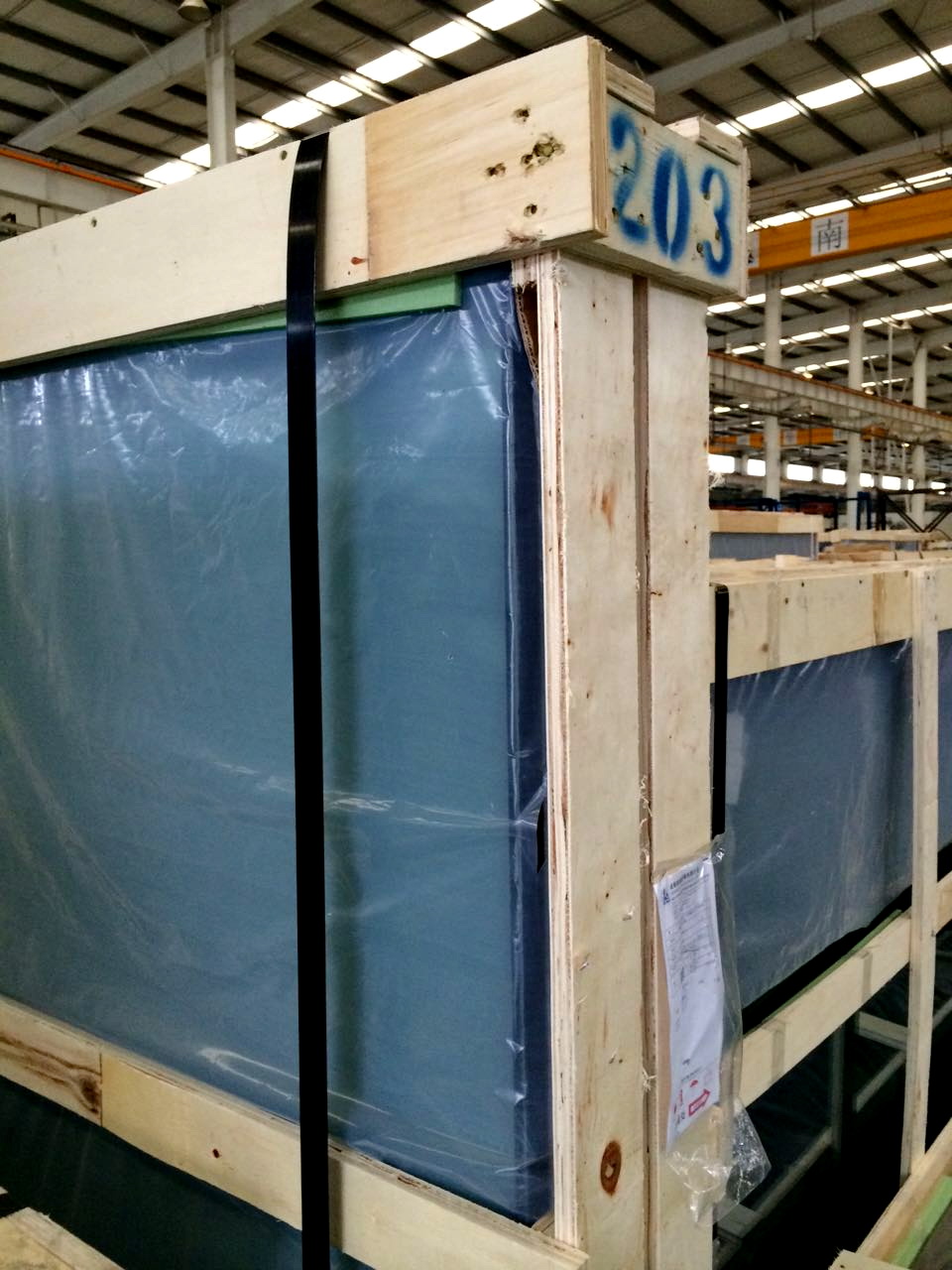
Glass products industry: Float glass, automotive glass, electronic glass, solar photovoltaic glass, insulating laminated glass, curtain wall glass, glass bottles, glass fibers.
![GLASS PACKING]()
Construction industry: Scaffolding
Choose the appropriate steel belt based on the weight of the goods and the usage environment.
The Hidden Costs of Getting It Wrong
When Cheap Strapping Becomes EXPENSIVE: Snap, Rust, and Liability
A $0.02 saving per meter sounds smart… until:
Snapped Straps: Cause $10,000 in damaged goods.
Rust Stains: Reject entire shipments of textiles or paper.
Worker Injuries: Whipping steel straps cause lacerations.
Insurance Hikes: Frequent claims = premium spikes.
Pro Tips from the Packaging Gurus
Tip 1: Always Test Before You Commit (Seriously!)
Demand samples from suppliers like JUHONG Packaging. Test:
Tension strength with your tools
Corrosion resistance (spray salt mist for 24h)
Edge friction on your actual load material
Tip 2: Compatibility is Key: Seals & Tools Matter Too
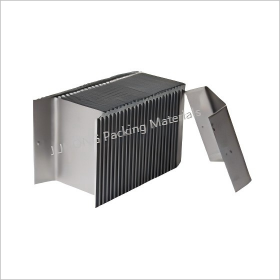
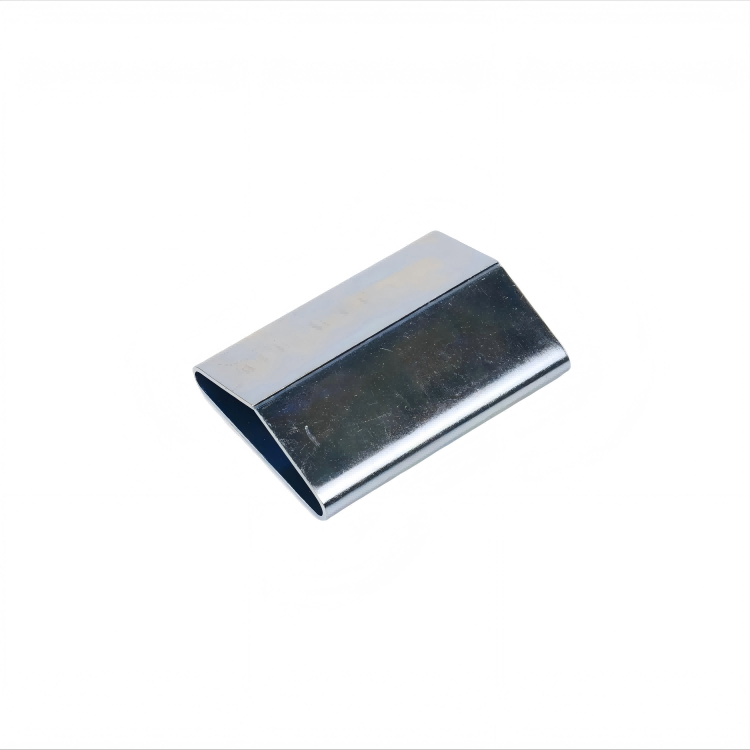
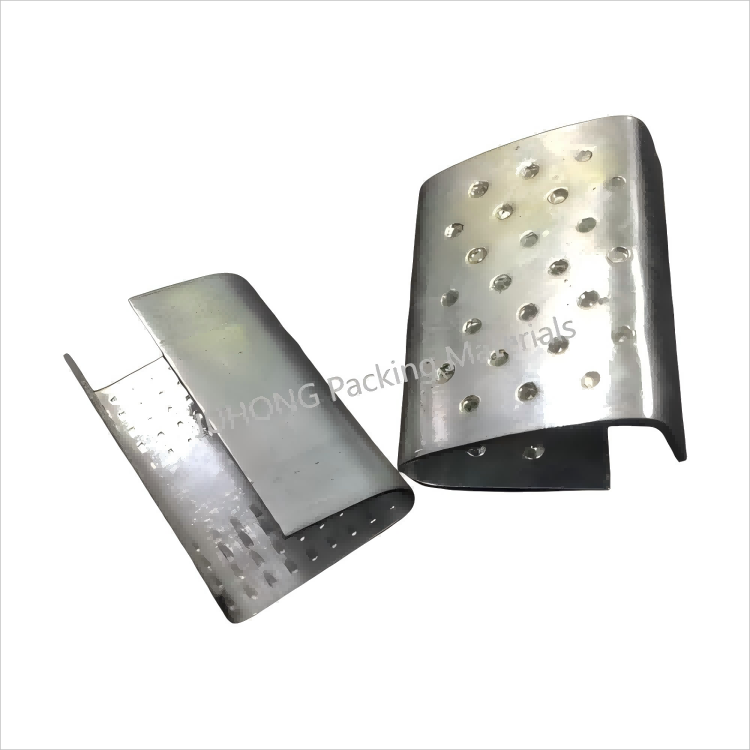
Using JUHONG steel seals with their strapping ensures seamless crimping. Mismatched tools cause weak joints – the #1 failure point!
![Magazine seal(1)]()
![Push Type Seal 2]()
![serrated seals(1)(1)(1)(1)]()
![metal strap buckles]()
Tip 3: Don't Ignore Storage Conditions
Store coils vertically in dry, covered areas. Wet strapping = pre-rusted strapping.
Why Supplier Support Matters When Choosing Steel Strapping
Choosing steel strapping is not only a material decision. Buyers also need support with strap size, strength grade, surface finish, coil type, seals, tools, and application conditions. A supplier should be able to help confirm whether the selected strap matches the load, packaging method, and transportation environment.
For heavy-duty industrial packaging, the strap, seal, and tool should work as one system. A mismatch between strap width, thickness, seal type, or tool model may cause weak joints, strap breakage, feeding problems, or unstable loads.
Before placing a bulk order, buyers should confirm technical data, sample availability, packaging method, shipping environment, and tool compatibility. This helps reduce selection errors and improves packaging reliability.
The Juhong Advantage: Why System Integrity Matters
When you source steel strapping, you aren't just buying a metal band; you are buying a load-bearing system. You want a partner who lives and breathes strapping. Juhong Packaging Materials delivers:
Standard-Setter Precision: Because Juhong drafted the GB/T 39040 national standard for strapping seals, we manufacture our strapping to be the perfect "mate" for the joint.
Guaranteed Joint Integrity: A strap is only as strong as its joint. Pairing Juhong straps with our high-performance steel strapping seals ensures you achieve the 75% Joint Efficiency required by ASTM D3953 and international safety protocols.
ASTM/EN/GB-Certified Strapping: Globally compliant quality.
OEM/ODM: adapts seamlessly to diverse load requirements.
500+ Enterprise Clients: Trusted by giants in construction, shipping, and manufacturing.
Factory-Direct Pricing: Cut out middlemen markups.
Steel Strapping Buyer Checklist Before Requesting a Quote
What product are you packing?
What is the approximate load weight?
Is the load rigid, sharp-edged, soft, fragile, or irregular?
Will the package be stored indoors, outdoors, in humid conditions, or shipped by sea?
Do you need regular duty, medium tensile, or high tensile steel strapping?
What strap width and thickness are you currently using, if any?
What surface finish do you need: blue and waxed, black painted and waxed, or galvanized / zinc-coated?
What coil type do you need: ribbon wound, oscillated wound, or jumbo coil?
What tools or machines will be used?
What seal or joint method will be used?
Do you need samples or technical data before bulk purchasing?
Are there any standards, shipping requirements, or buyer documents that need to be confirmed?
Wrapping It Up: Secure Your World with Confidence
Choosing steel strapping isn’t rocket science – but it IS materials science. Ignore the specs, and you gamble with your goods. Master them, and you become the unshakeable hero of your supply chain. Ready to strap like a pro? Partner with experts who speak "steel" fluently. JUHONG Packaging Materials isn’t just a supplier – they’re your load’s insurance policy.
Got a monster load to secure? Get a custom strapping recommendation today → www.jsjhpackaging.com/steel-strapping
Buyer FAQ: How to Choose Steel Strapping
1.How do I choose the right steel strapping for my load?
Start with the load type, weight, shape, edge condition, storage environment, and transportation method. Heavy, rigid, sharp-edged, or high-value industrial loads usually need stronger steel strapping and more reliable joints than ordinary pallet cargo.
2.How do I choose between regular strength and high tensile steel strapping?
Regular duty steel strapping is commonly used for stable industrial loads and standard bundling applications. High tensile steel strapping is more suitable for heavier loads, tighter bundling, longer transportation distances, or packaging conditions that require stronger retained tension and better shock resistance.
3.How do I match steel strapping width and thickness to the application?
Width and thickness should always be selected together. Smaller widths such as 12.7 mm, 16 mm, or 19 mm are common in many packaging jobs, while 25 mm and 32 mm are more often used for heavier applications. At the same width, a thicker strap usually offers higher holding capacity. The right choice should be based on the product and packaging process, not on price alone.
4.Which steel strapping finish should I choose?
That depends on how the product is packed, stored, and shipped. Blue and waxed steel strapping is widely used in industrial packaging. Black painted and waxed steel strapping is also common when added surface protection is needed. Zinc coated steel strapping is a better option when anti-rust performance is more important, especially in humid storage or export environments.
5.How do I choose steel strapping for export packaging?
For export packaging, we usually suggest checking three things first: the shipping environment, the risk of corrosion, and the equipment used for bundling. In many export applications, buyers pay close attention to finish selection, joint reliability, and whether the coil format fits their packaging line. A good export strapping solution should be strong, stable, and suitable for storage and transportation.
6.How do I choose steel strapping for steel coils or metal products?
For steel coils and metal products, the key points are tensile strength, strap size, edge condition, and joint performance. These products are usually heavy and often have harder edges, so the strap system needs to be matched carefully. In these applications, choosing the correct strength series is often more important than simply choosing a wider strap.
7.How do I know if my tool matches the steel strap?
The tool must match the strap width, thickness, and joint method. A mismatch between strap and tool can cause feeding problems, weak joints, or breakage during tensioning. We normally confirm whether the customer is using manual tools, pneumatic tools, or fully automatic machines before recommending a strap specification, because the equipment directly affects the final selection.
8.Which coil winding type should I choose?
The winding type depends on how the strap will be used. Ribbon coils and smaller oscillated coils are often easier to handle in manual or semi-manual work. For automatic lines, larger oscillated coils or jumbo coils are usually more efficient because they hold more strap and reduce coil change frequency. Coil format should always match the machine and the packaging workflow.
9.How do I choose the right joint method?
The joint method should match the application, tool type, and strength requirement. Seal joints are common in many packaging jobs, while sealless joints are also used in some industrial applications. If the load is heavy or the shipping condition is demanding, the connection method should never be chosen on price alone, because a weak joint can cause the whole packaging system to fail. For matching sizes and joint options, you can also check our steel strapping seals page.
10.Should I choose steel strapping based only on tensile strength?
No. Tensile strength is important, but it is only one part of the decision. Width, thickness, finish, winding method, tool compatibility, and the actual product being packed all matter. In real industrial packaging, the best steel strapping choice is the one that fits the complete system, not just the highest number on paper.
11.What if my project requires AAR-certified steel strapping?
If your packaging project requires certified performance for rail-related or other demanding applications, we can also recommend suitable AAR steel strapping options. In this type of project, certification, joint reliability, and application requirements should all be confirmed before final selection.
12.What information should I send before asking for a recommendation?
Send the product type, load weight, bundle dimensions, packaging method, storage or shipping environment, current strap size if available, and the tool or machine you use. This helps the supplier recommend a suitable steel strapping size, strength level, finish, and coil format.
Need Help Choosing the Right Steel Strapping for Your Application?
Choosing the right steel strapping depends on the load, strap size, strength grade, surface finish, coil type, seals, tools, and shipping environment. If you are not sure which specification fits your application, contact JUHONG with your product details, load weight, packaging method, and tool or machine information.
 简体中文
简体中文